Server Rack Line Art Review
As a designer and embroidery product reviewer, I often find myself evaluating designs that promise versatility but rarely deliver on their potential. Server Rack Line Art is one such design that caught my attention for its unique theme and practical applications. In this review, I’ll walk through how it performs in real-world embroidery projects and whether it’s worth adding to your design library.
First Impressions: A Clean, Technical Aesthetic
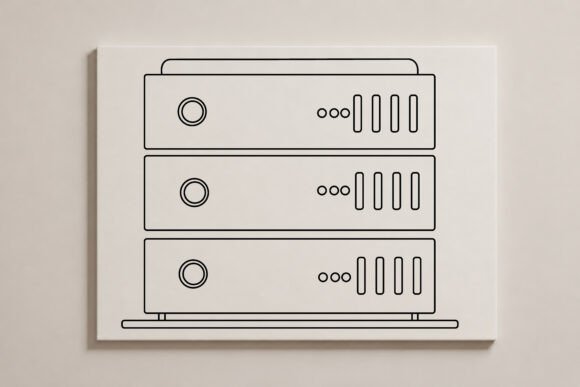
The first thing that stands out about Server Rack Line Art is its clean, minimalist style. It features sharp lines, geometric shapes, and a subtle industrial vibe that feels both modern and functional. The layout is straightforward, making it easy to adapt for various applications without overcomplicating the design. This makes it ideal for projects that require a professional or tech-inspired look.
The design’s visual personality leans toward the technical and precise, which means it doesn’t work well for whimsical or abstract themes. However, it excels in environments where clarity and simplicity are key—like corporate branding, tech-themed merchandise, or educational materials.
Real-World Embroidery Applications
One of the first scenarios I considered was using Server Rack Line Art on a custom embroidered tote bag. The design’s linear structure translates well onto flat surfaces like fabric, and its low detail level ensures it won’t get lost in the stitching process. For a small business owner or Etsy seller, this makes it a solid choice for creating branded merchandise that’s both eye-catching and easy to produce.
It also works well on sweatshirts and t-shirts, especially when using a single color. The design’s simplicity allows for clear visibility even on darker fabrics, though I’d recommend testing it on different backgrounds to ensure optimal contrast. For baby items, like onesies or blankets, the design’s lack of intricate details makes it safe for delicate fabrics and reduces the risk of thread breakage during washing.
When it comes to patches, the design holds up well as an applique design. Its outline-based nature means it can be easily stitched with a running stitch or satin stitch, depending on the desired texture. It also pairs well with other embroidered elements, making it a good choice for layered designs or decorative accents.
Where to Be Cautious
Despite its strengths, Server Rack Line Art isn’t without limitations. Its thin lines and minimal detail may not translate well on small hoop sizes, where the design could appear too sparse or distorted. If you’re working with textured fabrics or stretchy materials, you’ll need to use a proper stabilizer to prevent puckering or distortion during the stitching process.
On dark fabrics, the design may require a contrasting thread color to stand out effectively. Similarly, if you're planning to use it on curved surfaces like caps or hats, the design’s rigid lines might not conform as smoothly as more flexible patterns would. For these cases, consider modifying the design slightly or opting for a more adaptable layout.
Another area to be cautious about is dense stitch areas. Since the design has a low stitch count, it may not hold up well in high-density regions where the machine could pull the fabric or cause uneven stitching. Always test the design on scrap fabric before committing to a full project.
Impact on Visual Appeal and Customer Perception
Server Rack Line Art brings a sense of professionalism to any finished product. Its clean lines and structured layout make it ideal for commercial embroidery projects, where consistency and clarity are essential. For handmade products, it adds a touch of sophistication that can elevate the perceived value of your offerings.
From a customer perspective, the design is likely to be well-received in niche markets that appreciate tech or industrial aesthetics. It’s particularly effective for personalized gifts, holiday items, or boutique products that aim to stand out from the crowd. However, it may not resonate as strongly with audiences looking for more traditional or ornate styles.
For small shop owners and craft businesses, this design can serve as a reliable asset in your product lineup. Its versatility across multiple mediums—from apparel to home decor—makes it a valuable addition to your digital product collection.
Practical Designer Notes
Before finalizing any project, I always recommend testing the design on scrap fabric. This helps identify any potential issues with stitch density, thread color contrast, or fabric compatibility. For Server Rack Line Art, I’d suggest trying it on both light and dark backgrounds to see how it performs in different settings.
When using it for commercial projects, make sure to check the licensing terms to confirm whether you can sell finished items or digital products. Also, consider how it fits into your brand’s overall aesthetic and whether it aligns with your target audience’s preferences.
If you’re planning to use it for printable mockups or digital product previews, the design’s simplicity will help maintain clarity at different scales. Just be mindful of how it looks in black and white, as some details may not translate well without color variation.
Conclusion: A Versatile Design for the Right Audience
Server Rack Line Art is a solid choice for designers and crafters looking for a clean, structured design that can be used across multiple mediums. While it may not be the best fit for every project, its strengths in clarity, adaptability, and visual appeal make it a valuable addition to any embroidery file library.
Whether you’re creating custom apparel, personalized gifts, or commercial embroidery projects, this design offers a practical solution that balances form and function. With proper testing and consideration, it can become a reliable asset in your creative workflow.